Staging environment Content, products, images and commercial terms under validation. Not a public offer.

We organize what grew.
We build what's missing. We test before we scale.

One system at the center. Real brands around it.

OBOS

The system that runs Órion

Órion's main product: a system that organizes responsibilities, processes and records, installed in your company through consulting. Every decision gets an owner, every process gets a record, and the operation stops depending only on you.
See OBOS in operation

SimLabs

Our brand of displays and dioramas for collecting and simulation. It is with OBOS that it decides what goes into the line, develops each product and connects manufacturing, launch and communication.

See the SimLabs case →

Órion Print

Our manufacturing operation, where the brands' products become real objects. OBOS organizes the path from file to finished part: material, finish, production time and quality standards recorded as process.

See the Print case →

Agreed before. Proven after.

We don’t start with the tool.

First we understand the problem, the constraints and what already works. That keeps energy from going into solving the wrong thing.

We agree up front on what “it worked” means.

So you never have to accept a delivery based on opinion or appearance.

We show what is real.

A photo is a photo, a concept is a concept, a result is a result. You decide seeing each thing for what it is.

From concept to production. Under the same system.

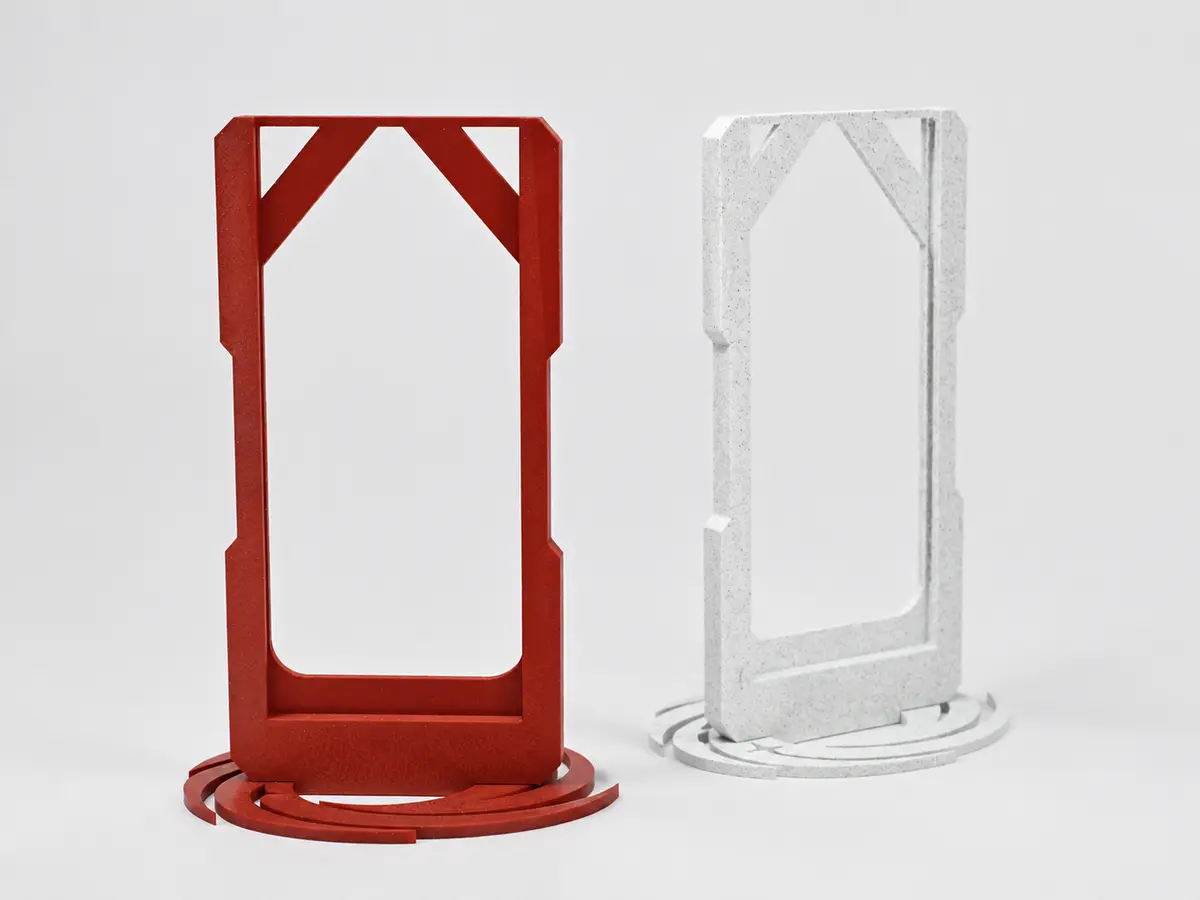
Edited real photo of the Apex display
Edited real photo

The Apex, a SimLabs display, left paper inside OBOS: a recorded decision, development as a process, manufacturing at Órion Print and the real product, photographed. This is how the system takes an idea off paper: with an owner, criteria and records at every step.

Get to know the Apex →
Evidence commitment. A photo is a photo, a concept is a concept: every image says what it is. And nothing is promised without a source.

Five steps. No leaps of faith.

  1. Understand

    So you don’t spend time and money solving the wrong problem.

    Diagnosis of what's stuck
  2. Define the criteria

    You know from the start how the result will be judged and what stays out of scope.

    Criteria agreed up front
  3. Prototype

    So the idea faces reality before gaining cost and complexity.

    Smallest useful version
  4. Test with evidence

    The next decision is born from evidence, not from memory or impressions.

    Decision with owner and date
  5. Standardize and expand

    You scale a repeatable solution, not a bigger improvisation.

    Documented standard

See the full method →

The system already runs our brands. The next step is your company.

Tell us how your operation works today and where it gets stuck. The conversation starts with a diagnosis of where the company loses the most, and the proposal comes after it, with clear scope and responsibilities.

Start the conversation

Tested first on our own brands.